
El Salvador: A New Chapter of Economic Strength and Resilience
El Salvador is undergoing a profound economic and social transformation that is positioning the country as a notable example of resilience and reform in Latin America. According to the International Monetary Fund’s (IMF) latest Article IV consultation report, El Salvador has demonstrated commendable economic performance despite global uncertainties and domestic challenges.
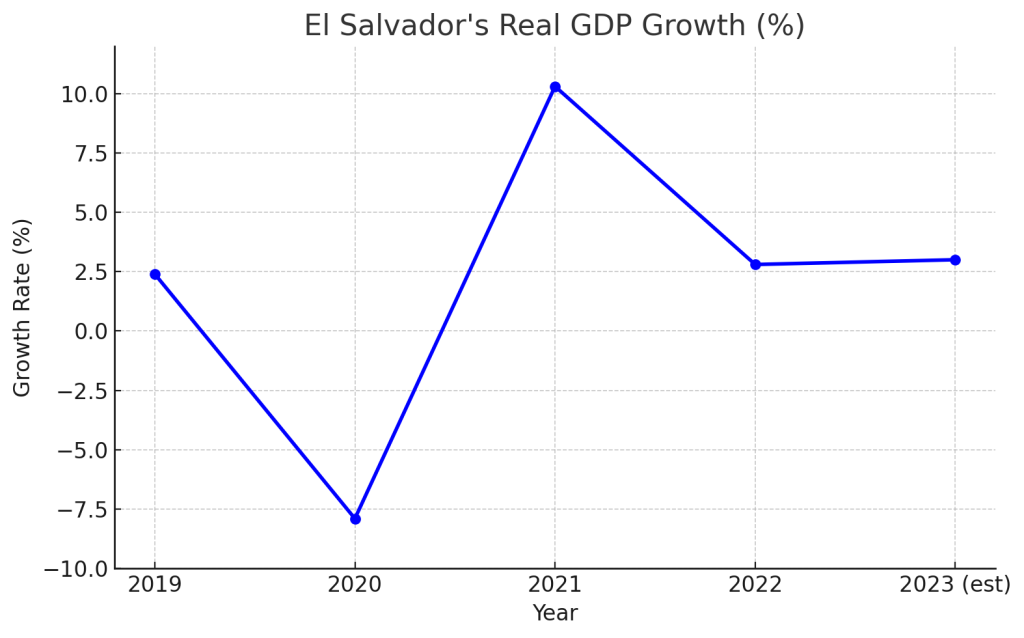
In 2022, El Salvador achieved a real GDP growth rate of 2.8%, outperforming regional averages and signalling a robust post-pandemic recovery. This growth was driven by several key factors: sustained strength in tourism, record-high remittance inflows, and dynamic private consumption. The services and construction sectors, in particular, have shown significant expansion, further supporting employment and household income levels.
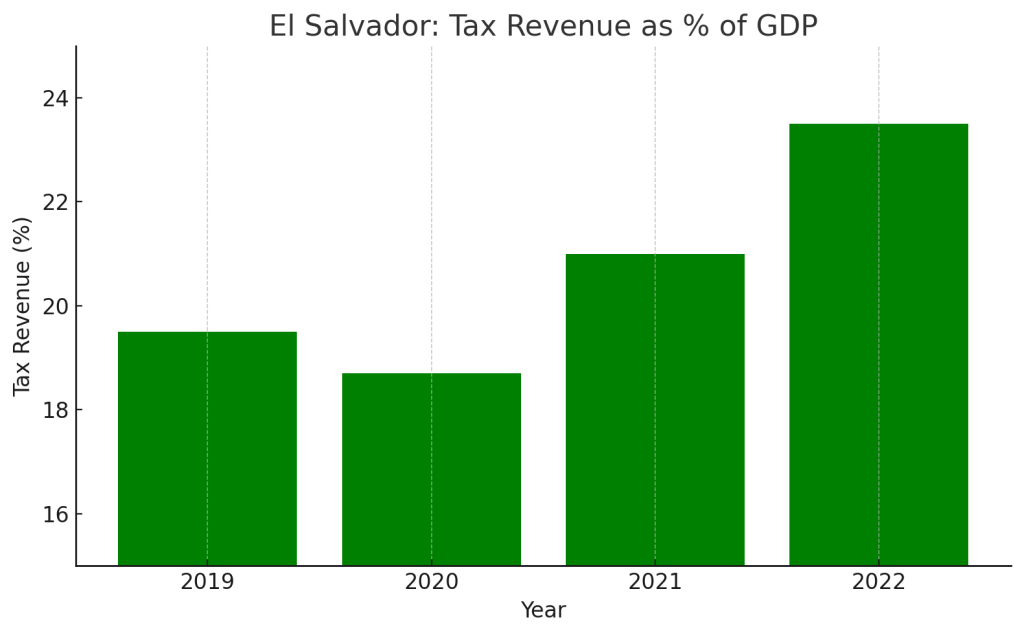
One of the most significant achievements highlighted in the IMF report is the substantial improvement in fiscal revenue collection. Enhanced tax administration and anti-evasion initiatives have resulted in a notable increase in tax revenues. This fiscal strengthening has enabled the government to expand social programs and public investment without compromising macroeconomic stability. The improvements in revenue mobilisation also create a more sustainable foundation for long-term development financing.
Another major pillar of El Salvador’s positive trajectory is the marked enhancement in public security. The government’s comprehensive security strategy has led to a significant decline in crime rates, which has had a direct and positive impact on economic confidence and investment sentiment. A safer environment has opened opportunities for domestic and foreign investment, supported the revitalisation of urban areas, and improved overall quality of life for Salvadoran citizens.
The government’s commitment to digital transformation and financial innovation is also noteworthy. Initiatives to promote digital payments and financial inclusion, alongside the development of a broader fintech ecosystem, are positioning El Salvador as a regional leader in technological adaptation. Such measures are expected to improve access to financial services, support entrepreneurship, and foster a more dynamic and inclusive economic landscape.
Moreover, El Salvador has demonstrated forward-looking environmental and energy strategies. Plans to expand geothermal energy generation and invest in climate adaptation initiatives underline the country’s dedication to sustainable growth. These investments not only contribute to reducing environmental vulnerability but also present opportunities for green job creation and diversification of the energy sector.
While the IMF report acknowledges that certain challenges persist — notably high public debt levels and the ongoing need for structural reforms — it is evident that El Salvador is on a promising path. The government’s focus on strengthening fiscal discipline, improving governance, and fostering a more resilient macroeconomic framework reflects a comprehensive approach to long-term stability and inclusive growth.
In summary, El Salvador’s recent economic performance and policy orientation offer an encouraging narrative of transformation and resilience. The combination of fiscal strengthening, security improvements, digital and environmental initiatives, and social investment forms a solid foundation for sustainable development. For investors, business leaders, and international partners, these developments suggest significant opportunities for constructive engagement and strategic collaboration.
As El Salvador continues to build on this positive momentum, it stands as an emerging model of how targeted reforms, strong governance, and an inclusive vision can collectively foster economic renewal and societal advancement.